naVitalo
  • All Products
  • Products
    • Natural
      Sweeteners
      • Oat Syrup
      • Rice Syrup
      • Tapioca Syrup
    • Vegan Proteins
      & TVP
      • Hemp Protein
      • Oat Protein
      • Oat Fiber
      • Pea Protein
      • Rice Protein
      • Tapioca Fiber
      • Puris® Textured Pea Protein & Crisps
    • Plant-Based
      Drink Powders
      • Almond Drink Powder
      • Coconut Drink Powder
      • Oat Drink Powder
      • Rice Drink Powder
      • Tapioca Drink Powder
    • Maltodextrins &
      Syrup Solids
      • Rice Maltodextrins
      • Rice Oligodextrins
      • Rice Syrup Solids
      • Tapioca Maltodextrins
      • Tapioca Oligodextrins
      • Tapioca Syrup Solids
    • Fibers &
      Starches
      • Gluten-free Wheat Starch
      • Rice Flour
      • Rice Starch
      • Tapioca Starch
  • About
    • About
    • Our Mission
    • Quality Assurance
    • Certificates
  • Service
  • Green Planet
    • Green Planet
    • Plant-for-the-Planet
    • Green Energy
  • Private Label
  • News
    • News & Events
    • Blog
    • Social Media
  • Contact
    • Our Team
    • Social Media
  • DE
  • Menu Menu
  • Link to Facebook
  • Link to Instagram
  • Link to LinkedIn
Blog

Tapioca syrup: advantages and applications
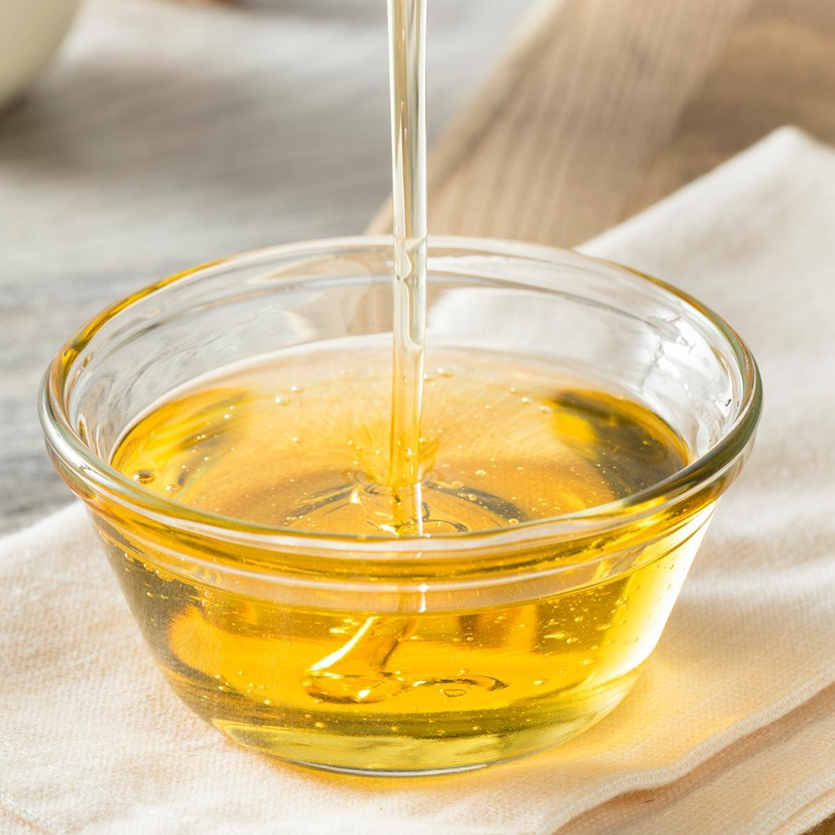
Tapioca Syrup in a Glas

Plant-based substitutes for industrial sugar are becoming increasingly popular. On the one hand, many people want to do without the artificially produced sweetness for health reasons. But also those who like it a little milder are well served with an alternative.

There are now many different vegetable sweeteners, including tapioca syrup. This is considered a vegan option to replace honey. Thereby it brings some advantages with itself, which we would like to introduce to you in the following.

How is the syrup made?

The sweetness is made from the cassava root. This grows mainly in tropical regions. The term tapioca explicitly describes the starch extracted from the plant tuber and can be processed into various products.

There are different ways of producing syrup. In each of these, the carbohydrate compounds are broken down into short-chain molecules, which gives the syrup its slightly sweet taste – tapioca is originally largely tasteless. The splitting is achieved either by chemical or enzymatic processes.

Depending on the manufacturing process, syrups can differ in taste, consistency and nutritional values. The color can also vary: Typically, tapioca syrup is as clear as water, but is also available in a light yellow hue. The darker the hue, the stronger the flavor. However, it is basically known for its rather mild sweetness.

Cassava Plantation

This is a Cassava Plantanation.

Advantages of tapioca syrup

Depending on your perspective, the syrup has different benefits. For example, if you are avoiding animal products, it is a good alternative to honey. However, it may also be worthwhile for you to resort to it for health reasons:

Tapioca is free of fructose and gluten and therefore optimal for corresponding intolerances and allergies. In addition, the syrup is considered easily digestible and contains almost no fat.

Tapioca syrup can also hold its own in a direct comparison with household sugar. Depending on how it is made, it can have between 165 kcal and 326 kcal, while sugar is around 400 kcal.

So is the vegetable syrup healthy?

Caution is always advised when classifying whether something is considered healthy or unhealthy. After all, it always depends on the overall diet. At least tapioca syrup brings many benefits and can be a very good alternative to sweetening with sugar.

Nevertheless, we would like to point out: It is still a sweet additive that you should enjoy in moderation and not in masses.

How to use tapioca syrup

Another advantage of tapioca syrup: the many ways you can use it. Basically, you can use it for everything for which you would have otherwise used honey or sugar.

For example, it can be used in

  • hot and cold drinks (e.g. tea or lemonade)
  • Smoothies and juices
  • Muesli and muesli bars
  • various desserts
  • baked goods and snacks

Another advantage in use: you can use the syrup very well for browning and caramelizing. In addition, adding tapioca syrup instead of sugar makes beaten egg whites especially creamy.
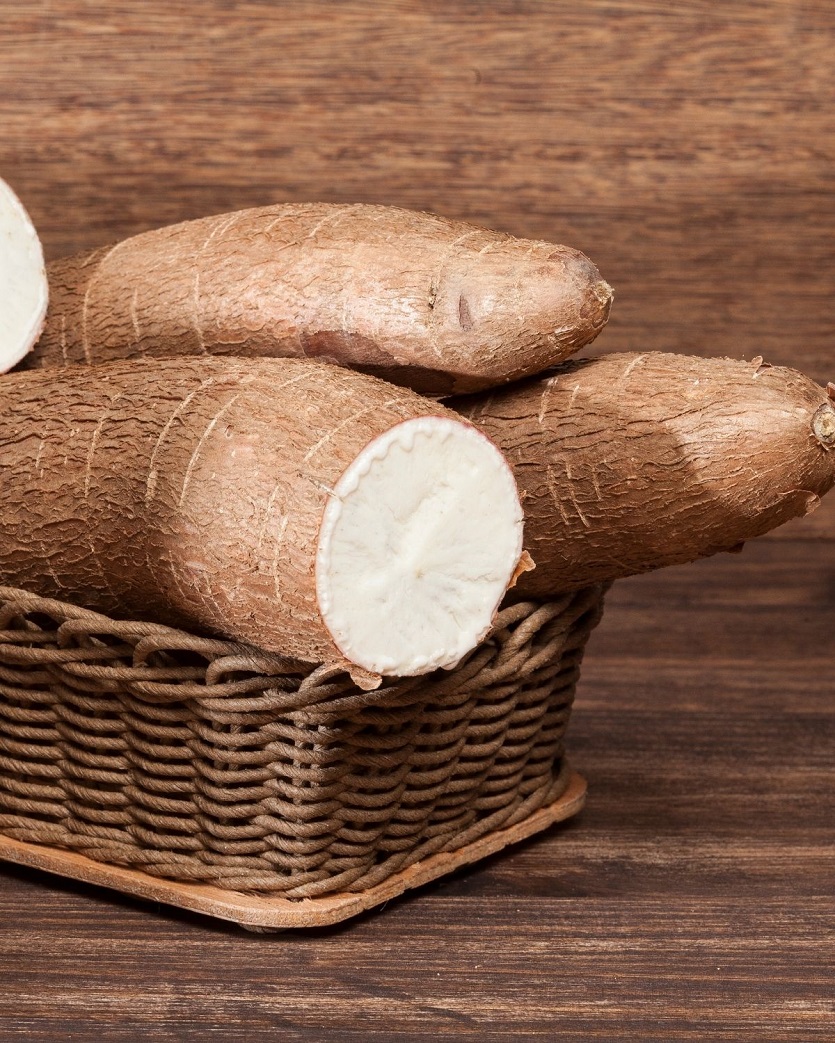
Cassava Root in a Box.

Cassava Roots for production of Tapioca Syrup.

This is what you should look for when buying

With vegetable products, you are always well advised to use organic quality. It is best to make sure that the tapioca syrup has been produced using natural and GMO-free enzymes.

Depending on the intended use, you should also check if the consistency is suitable for your purpose.

If tapioca syrup is not the right product for you, there are many other alternatives such as oat syrup and rice syrup. You might also be interested in our blog post Rice syrup: healthy alternative to other sweeteners?

If you work in food manufacturing and are looking for alternative sweeteners, we are also available for in-depth consultation. We at naVitalo are specialists in food ingredients made from tapioca, but also from oats, rice and other cereals. We attach great importance to high-quality, BIO-certified and environmentally friendly products. Interested? Then feel free to contact us.

Tags: Blog
Share this entry
  • Share on Facebook
  • Share on LinkedIn
  • Share by Mail
https://www.navitalo.com/wp-content/uploads/2022/04/Tapioca-Syrup.png 835 835 C.Scholten /wp-content/uploads/2021/06/naVitalo-logo-r.png C.Scholten2022-04-18 10:00:282022-04-12 11:57:23Tapioca syrup: advantages and applications
You might also like
Brauner Reisssirup | Brown Rice Syrup Rice syrup instead of sugar: a sweet alternative full of benefits?
oat milk powder for mixing Oat drink for mixing: Advantages of oat powder
Oat Proteins: not only interesting for vegans
Rice Protein Acid Rice protein: amino acid profile and other positive properties
Raw yucca starch and tapioca on the wooden table. Tapioca: What is it and how can it be used?
Rice syrup alternatives Rice syrup: healthy alternative to other sweeteners?

Latest News

  • Rice protein or pea protein: vegan proteins in comparisonJuly 25, 2024 - 9:52 am
  • Pea Protein: Biological Value and Its ImportanceJuly 9, 2024 - 8:51 am
  • Brauner Reisssirup | Brown Rice Syrup
    Rice syrup instead of sugar: a sweet alternative full of benefits?April 30, 2024 - 7:42 am
© Copyright - naVitalo
  • Link to Facebook
  • Link to Instagram
  • Link to LinkedIn
  • Cookie Settings
  • Site Notice
  • Privacy Policy
  • AGB
Link to: Meat substitutes from oats: protein textures in food production Link to: Meat substitutes from oats: protein textures in food production Meat substitutes from oats: protein textures in food productionOat Protein Texturates Link to: Hemp protein: unhealthy or alternative source of protein Link to: Hemp protein: unhealthy or alternative source of protein Hemp PlantationHemp protein: unhealthy or alternative source of protein
Scroll to top Scroll to top Scroll to top

Please allow us to use cookies.
All information can be found in our Privacy Policy. To manage or disable these cookies, click on Cookie Settings.

Accept Cookies

Cookie and Privacy Settings


How we use cookies

We may request cookies to be set on your device. We use cookies to let us know when you visit our websites, how you interact with us, to enrich your user experience, and to customize your relationship with our website.

Click on the different category headings to find out more. You can also change some of your preferences. Note that blocking some types of cookies may impact your experience on our websites and the services we are able to offer.

Essential Website Cookies

These cookies are strictly necessary to provide you with services available through our website and to use some of its features.

Because these cookies are strictly necessary to deliver the website, you cannot refuse them without impacting how our site functions. You can block or delete them by changing your browser settings and force blocking all cookies on this website.

Google Analytics Cookies

These cookies collect information that - partially summarized - help us to understand how our website is used and how effective our marketing measures are. We can also use the knowledge from these cookies to adapt our applications in order to improve your user experience on our website.

If you do not want us to track your visit to our site, you can block this here in your browser:

Other external services

We also use different external services like Google Webfonts, Google Maps, and external Video providers. We also use different external services like Google Webfonts, Google Maps and external Video providers. Since these providers may collect personal data like your IP address we allow you to block them here. Please be aware that this might heavily reduce the functionality and appearance of our site. Changes will take effect once you reload the page.

Vimeo and Youtube video embeds:

Privacy Policy

You can read about our cookies and privacy settings in detail on our Privacy Policy Page.

Save settingsDo not accept