naVitalo
  • All Products
  • Products
    • Natural
      Sweeteners
      • Oat Syrup
      • Rice Syrup
      • Tapioca Syrup
    • Vegan Proteins
      & TVP
      • Hemp Protein
      • Oat Protein
      • Oat Fiber
      • Pea Protein
      • Rice Protein
      • Tapioca Fiber
      • Puris® Textured Pea Protein & Crisps
    • Plant-Based
      Drink Powders
      • Almond Drink Powder
      • Coconut Drink Powder
      • Oat Drink Powder
      • Rice Drink Powder
      • Tapioca Drink Powder
    • Maltodextrins &
      Syrup Solids
      • Rice Maltodextrins
      • Rice Oligodextrins
      • Rice Syrup Solids
      • Tapioca Maltodextrins
      • Tapioca Oligodextrins
      • Tapioca Syrup Solids
    • Fibers &
      Starches
      • Gluten-free Wheat Starch
      • Rice Flour
      • Rice Starch
      • Tapioca Starch
  • About
    • About
    • Our Mission
    • Quality Assurance
    • Certificates
  • Service
  • Green Planet
    • Green Planet
    • Plant-for-the-Planet
    • Green Energy
  • Private Label
  • News
    • News & Events
    • Blog
    • Social Media
  • Contact
    • Our Team
    • Social Media
  • DE
  • Menu Menu
  • Link to Facebook
  • Link to Instagram
  • Link to LinkedIn
Blog

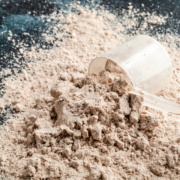
Pea Protein: Biological Value and Its Importance
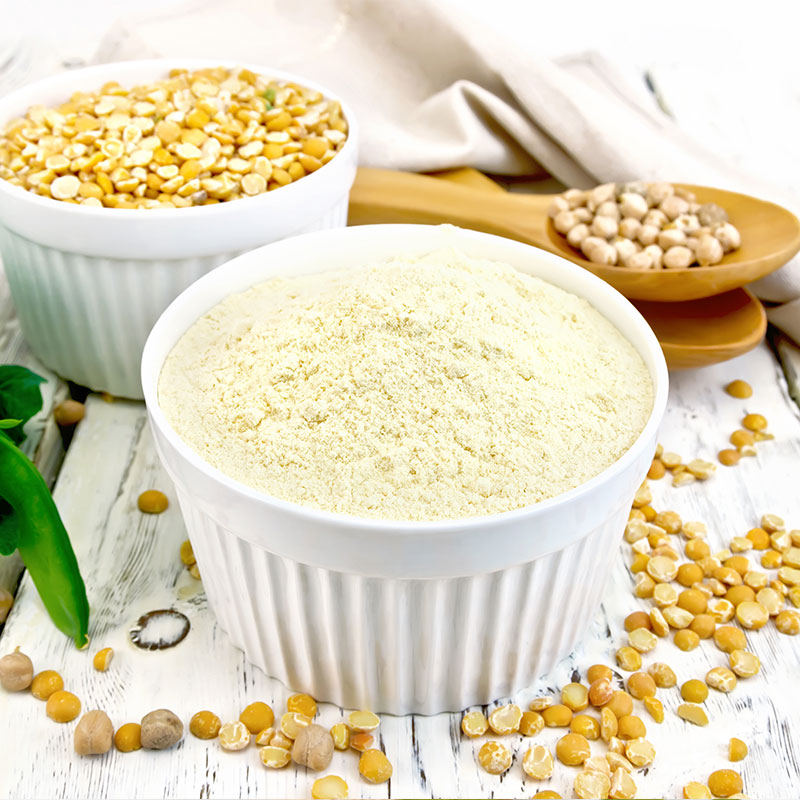
Protein, along with fats and carbohydrates, is one of the three macronutrients essential for our survival. However, it’s not just the quantity of protein we consume that matters, but also its quality. This quality is measured, among other things, by biological value. The biological value of pea protein is 65.

What Does the Value Indicate?

The biological value indicates how much of the protein consumed through food can be converted into the body’s own protein. This primarily considers the ratio of essential amino acids – those that our body cannot produce and must be obtained from food. The corresponding value is based on an egg, which has a value of 100. This is not a percentage but rather a scale value. With 65, the biological value of pea protein is slightly above the average, which is not bad at all.

The value is not very informative on its own as long as you also consume other foods besides peas. It increases through the combination of different protein sources and thus automatically when you have a balanced diet.

How Can the Biological Value of Pea Protein Be Increased?

How exactly you can increase the value depends, among other things, on how much of the food you consume and what other foods you combine it with. The goal is to cover as complete an amino acid profile as possible. Pea protein, for example, contains all essential amino acids. However, methionine (important for muscle maintenance) and the semi-essential amino acid cysteine (important for blood sugar regulation and the immune system) are not present in sufficient quantities.

Therefore, this deficiency must be compensated for to achieve a complete profile. Legumes like peas can usually be optimally complemented with grains. For example, rice protein has high amounts of methionine and cysteine and can thus compensate for the deficiency in peas. Conversely, rice protein has enough lysine to balance its deficiency in rice. Therefore, rice and pea proteins are a popular combination to increase biological value.

Is This Enough to Assess the Quality of Pea Protein?

Biological value still provides a good overview today but is overall too simple to do justice to the complexity of protein quality. It takes into account the proportion of amino acids contained but not how and where these are efficiently utilized by the body.

Since 2013, the Food and Agriculture Organization of the United Nations (FAO/WHO) has recommended the DIAAS (Digestible Indispensable Amino Acid Score) as a better evaluation method. This method considers not only the composition of amino acids but also their actual digestibility to the last part of the small intestine (ileal digestibility). This provides insights into how efficiently the converted amino acids can be used by the body.

When Is the Biological Value of Pea Protein Relevant?

For normal, healthy, and balanced nutrition, this value is usually not very relevant. However, it can provide a good overview of which foods can be best combined for a good protein composition. Athletes and bodybuilders, in particular, often use biological value to optimize their muscle growth.

In old age, the body can utilize proteins less efficiently – here too, it may be sensible to pay attention to their quality and usability. As with metabolic or other diseases that can lead to a protein deficiency, you should especially consult with your doctor in such cases.


High-Quality Pea Protein from naVitalo

We are specialists in plant-based food ingredients in wholesale. You can get the pea protein from our range in different versions, but always in the best quality. Feel free to contact us if you are looking for vegan ingredients for your production. You can reach us at Phone: +49 (0)208 880 264 00, E-mail: info@navitalo.com.


Sources (As of: 07.03.2024):

Netdoktor: Pea Protein Netdoktor
https://www.netdoktor.de/ernaehrung/lebensmittel/erbsenprotein/

National Library of Medicine: Protein and Amino Acids
https://www.ncbi.nlm.nih.gov/books/NBK234922/

The Current Situation of Pea Protein and Ist Application in the Food Industry https://www.ncbi.nlm.nih.gov/pmc/articles/PMC9412838/
 

Tags: Blog
Share this entry
  • Share on Facebook
  • Share on LinkedIn
  • Share by Mail
https://www.navitalo.com/wp-content/uploads/2024/07/Erbsenprotein-pea-protein.jpg 800 800 K.Gerichhausen /wp-content/uploads/2021/06/naVitalo-logo-r.png K.Gerichhausen2024-07-09 08:51:232024-07-09 08:51:23Pea Protein: Biological Value and Its Importance
You might also like
Hemp Plantation Hemp protein: unhealthy or alternative source of protein
Rice Protein Acid Rice protein: amino acid profile and other positive properties
oat milk powder for mixing Oat drink for mixing: Advantages of oat powder
Oat Protein on a Table Oat protein as an alternative to animal sources of protein
oat beta glucan from oat Oat beta-glucan: Dietary fiber with many benefits
Oat Protein Texturates Meat substitutes from oats: protein textures in food production

Latest News

  • Rice protein or pea protein: vegan proteins in comparisonJuly 25, 2024 - 9:52 am
  • Pea Protein: Biological Value and Its ImportanceJuly 9, 2024 - 8:51 am
  • Brauner Reisssirup | Brown Rice Syrup
    Rice syrup instead of sugar: a sweet alternative full of benefits?April 30, 2024 - 7:42 am
© Copyright - naVitalo
  • Link to Facebook
  • Link to Instagram
  • Link to LinkedIn
  • Cookie Settings
  • Site Notice
  • Privacy Policy
  • AGB
Link to: Rice syrup instead of sugar: a sweet alternative full of benefits? Link to: Rice syrup instead of sugar: a sweet alternative full of benefits? Rice syrup instead of sugar: a sweet alternative full of benefits?Brauner Reisssirup | Brown Rice Syrup Link to: Rice protein or pea protein: vegan proteins in comparison Link to: Rice protein or pea protein: vegan proteins in comparison Rice protein or pea protein: vegan proteins in comparison
Scroll to top Scroll to top Scroll to top

Please allow us to use cookies.
All information can be found in our Privacy Policy. To manage or disable these cookies, click on Cookie Settings.

Accept Cookies

Cookie and Privacy Settings


How we use cookies

We may request cookies to be set on your device. We use cookies to let us know when you visit our websites, how you interact with us, to enrich your user experience, and to customize your relationship with our website.

Click on the different category headings to find out more. You can also change some of your preferences. Note that blocking some types of cookies may impact your experience on our websites and the services we are able to offer.

Essential Website Cookies

These cookies are strictly necessary to provide you with services available through our website and to use some of its features.

Because these cookies are strictly necessary to deliver the website, you cannot refuse them without impacting how our site functions. You can block or delete them by changing your browser settings and force blocking all cookies on this website.

Google Analytics Cookies

These cookies collect information that - partially summarized - help us to understand how our website is used and how effective our marketing measures are. We can also use the knowledge from these cookies to adapt our applications in order to improve your user experience on our website.

If you do not want us to track your visit to our site, you can block this here in your browser:

Other external services

We also use different external services like Google Webfonts, Google Maps, and external Video providers. We also use different external services like Google Webfonts, Google Maps and external Video providers. Since these providers may collect personal data like your IP address we allow you to block them here. Please be aware that this might heavily reduce the functionality and appearance of our site. Changes will take effect once you reload the page.

Vimeo and Youtube video embeds:

Privacy Policy

You can read about our cookies and privacy settings in detail on our Privacy Policy Page.

Save settingsDo not accept